Thursday, July 9, 2015

Soundtrack To The Revolution

The Unofficial Soundtrack to The People's Republic of Retail 


I have been working on a novel called "The People's Republic Of Retail" since July of 2010. Since that time I have completed 4 chapters.

Don't judge. Writing is hard.

I have copious notes and I have completed gargantuan amounts of research and a whole slew of illustrations. My novel is a surrealistic view of my wasted & wanton years (15 to be exact) working as a retail wage slave for the world's largest big box store. It is also an allegory of an allegory, in that the frame of it is based on George Orwell's "Animal Farm". The two main characters - Eric George and Mary Allison Blair, are re-arrangements of Orwell's real name - Eric Blair - and a nod to his more commonly known pen name.


Since I grew up as a latchkey kid and the product of a broken marriage - I spent long hours reading comic books and watching cartoons, television and VHS tapes. My style of writing is basically a kitchen sink form. I do not mean the spare British view of the working class - I mean that I throw pop cultural references into virtually every paragraph.

This is a video introduction I made.


I have designed my novel to be a multi-media experience. It will work best in some future generation of e-reader that is capable of doing the things I will need it to do. I'll give two examples.

1. Headphones will be an essential part of the experience. If there is a thunderstorm in the text, you will hear thunder rumbling and the screen will flash with periodic lightning strikes.

2. There is a fictional talk radio station in my novel. Some place on the screen you will see a radio icon and be able to hear the broadcast at whatever time that you happen to click it.

Music will be an integral part of the reading experience. I would like certain songs to be played at certain times. There are many ways in which this can be accomplished - Spotify, Amazon MP3 or I-tunes. I'll leave that to the techno-heads to decide.

If the soundtrack were released as a double (perhaps triple) CD, this would be the jacket design.


I would like to do a fake ad campaign for it - advertising it as "exclusively available" at all defunct Sam Goody retail stores and outlets as a comment on consumerism.


Remember - Goody's Got It!

As I write this, I am listening to a playlist I have made of all these songs. So without further ado...

The Unofficial Soundtrack to The People's Republic of Retail

1. Won't Get Fooled Again - The Who
(plays during intro)
2. The Empty Raft - John Williams 
(plays during this animation sequence)
3. Re: Stacks - Bon Iver
(plays during Eric George's depression after breaking up with his fiance Jezebel)
4. Bring Out Your Dead  - Monty Python
(plays during black plague fantasy sequence - would be nice if original actors would reprise their roles)
5. Keoma - G and M de Angelis
(plays during spaghetti western fantasy sequence)
6. Elephant Talk - King Crimson
(plays during Eric George's day of hell)
7. Ben - Michael Jackson
(plays during Sparky in the battery cage scene)
8. L'Alba Dei Morti Viventi - Goblin
(plays during Zombi Apocalypse scene)
9. Ghost Town - The Specials
(plays while grief counselor sits in an empty breakroom after the death of Assistant Manager Wolff)
10. Getting To Know You - The King and I
(plays during Eric George and M.Alice's playdate)
11. In My Life - Johnny Cash
(plays after Eric George and M.Alice have ceased fighting over the radio in Eric George's car)
12. The Siege and Investiture of Baron von Frankenstein's Castle at Weisseria - Blue Oyster Cult
(plays after M.Alice buys a beret at the Women's Shelter Thrift Store)
13. Endless Supply of Poison - Joan as Police Woman
(plays after M.Alice decides to let Eric George meet her mother)


14. Punk Rock Girl - The Dead Milkmen
(plays during high school flashback scene of lil' Mary Allison's transformation into M.Alice)
15. The Distance - Cake
(plays while Eric George watches Bill Cox ride his Arctic Cola Seadoo on the intercoastal waterway)


16. Over The Rainbow - Ray Charles
(plays during Eric George's battle with Elphaba Phillips and the Eastboro Baptist Church)


17. Where The Streets Have No Name - U2
(plays during the flash forward sequence in which an older Eric George is killed after being hit by a car while trying to save a turtle and then, after the funeral, his daughter leads an impromptu march across America to kick the CON-A.R.T.-ists out of Washington and to re-establish democracy)


18. The Revolution Will Not Be Televised - Gil Scott-Heron
(plays during the first meeting of the revolutionary council)
19. Fight The Power - Public Enemy
(plays during the Los Barbudos revolt)


20. Revolution Rock - The Clash
(plays during the victory celebration after the October Revolution)
21. Kung Fu Girls - Blondie
(plays after Eric George is thrown out of the compacter by M.Alice's Happy Sweaty Funtime Ninja Squad)


22. Wake Up - Rage Against The Machine
(plays after M.Alice/Mary Alice takes over and turns Utopia into Dystopia)
23. Don Quixote - Cherry Poppin Daddies
(plays during the scene where Eric George on horseback, followed by Rajiv on a burro, heads over to Dystopia to tear down the windmill)
24. Paper Planes - M.I.A. 
(plays during a slow mo scene after Eric George meets with M.Alice's mother to learn the truth about her father. He is so stunned by the revelation that he does not notice dozens of federal agents going past him to arrest Florida Governor Elect Alexis Chamberlain)
25. Sold American - Kinky Friedman
(plays during the scene in which the building that housed the former Mega Mart/Utopia/Dystopia collapses into a sinkhole)
26. Guess I'm Doing Fine - Beck
(plays in the final flash forward scene in which Allison decides to stay)

Fade To Black

Cue Credits

Sunday, July 5, 2015

Actors Who Have Played Trotsky


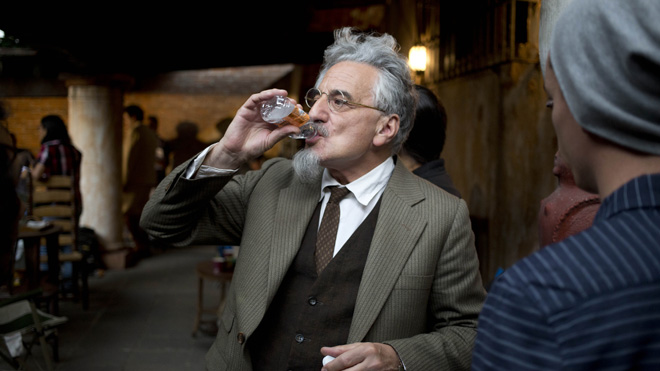
Henry Goodman in "The Chosen" 2016

Jay Baruchel in "The Trotsky" 2009

Brian Cox in "Nicholas & Alexandra" 1971

Richard Burton in "The Assassination of Trotsky" 1972

 Geoffrey Rush in "Frida" 2002

 Konstantin Khabensky in "Yesenin" 2005 

 Michael Kitchen in "The Fall of Eagles" 1974


Tuesday, June 30, 2015

Easy Doctor Who Theme for Guitar

Doctor Who Theme Guitar Tab (Standard Tuning)


Pick Slide on E & A Strings Going Up The Neck

-----------------------------------------------------------------------------
-----------------------------------------------------------------------------
-----------------------------------------------------------------------------
-----------------------------------------------------------------------------
-----------------------------------------------------------------------------
--0--0000--00000--00--00--0000-----------------------------------------


-(s)8--7--10--7--7--3------------------------------------------------------
--------------------------0--3--1--0---1--0--------------------------------
-----------------------------------------------------------------------------
-----------------------------------------------------------------------------
-----------------------------------------------------------------------------
-----------------------------------------------------------------------------

-(s)8--7-----7-----------------10--12--10-8-10--10--12--10-8-10--------
----------8-----10--8--8----------------------------------------------------
-----------------------------------------------------------------------------
-----------------------------------------------------------------------------
-----------------------------------------------------------------------------
----------------------------------------------------------------------------

-----7----------------------------------------------------------------------
--8----10--8--8------------------------------------------------------------
----------------------------------------------------------------------------
----------------------------------------------------------------------------
----------------------------------------------------------------------------
----------------------------------------------------------------------------

-(s)8--7--10--7--7--3------------------------------------------------------
--------------------------0--3--1--0---1--0--------------------------------
-----------------------------------------------------------------------------
-----------------------------------------------------------------------------
-----------------------------------------------------------------------------
-----------------------------------------------------------------------------


Sunday, June 28, 2015

Through The Earwormhole Part III: The Canterbury Scene


joyofatoy-21042011.jpg


    In the beginning (1964-1967) there was The Wilde Flowers. The Wilde Flowers begat Caravan and Soft Machine. Thus The Canterbury Scene was born and for a time in the late 60’s and through the 70’s it was good. There was much cross breeding in The Canterbury Scene and many musicians played musical chairs between the various different lineups. Most likely this accounts for the common thread of musical sensibilities between the assortment of bands.

Canterbury is a cathedral city filled with (at times) ringing bells and church organ music. Canterbury bands used the organ as a lead instrument - filtered through a Wah-wah pedal and fuzz distortion ala Jimi Hendrix. The music was also heavily influenced by the improvisational quality of Free Jazz.

There is another aspect of Canterbury Scene music that sets it apart from other forms of Progressive Rock. It has a nonsensical quality. A whimsical literary quality. A silly humorous aspect that feels refreshing and liberating and reminds us not to take ourselves too seriously.


It comes from…


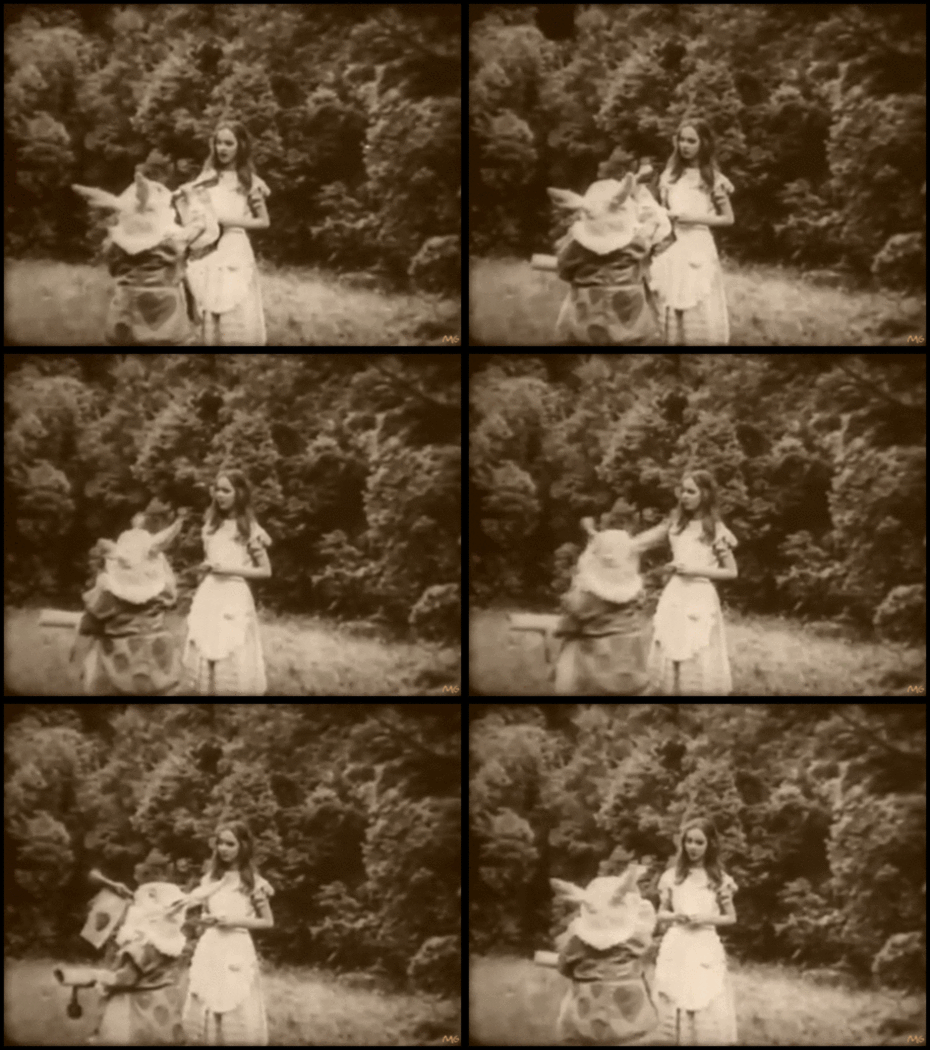
March Hare.gif


Lewis Carroll. It comes from…


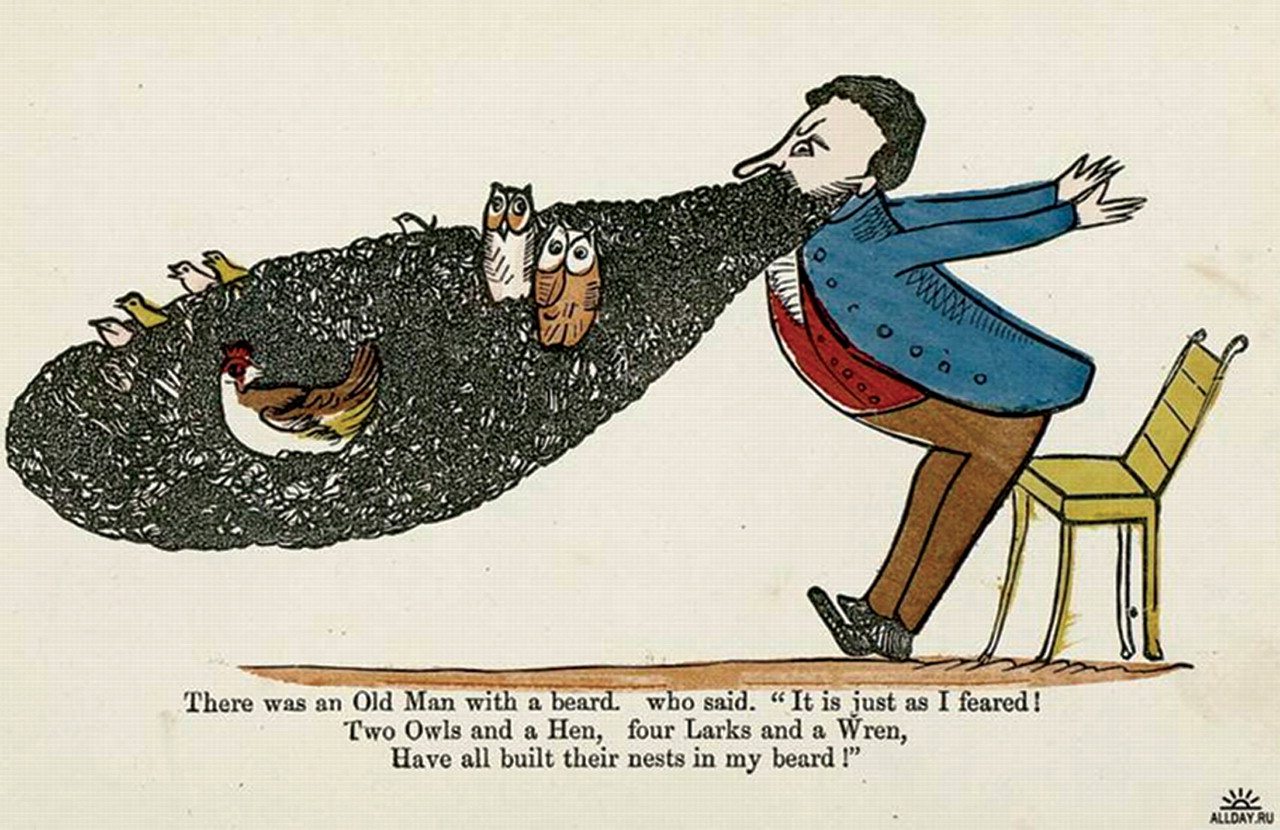
Edward Lear.jpg


Edward Lear. It comes from…


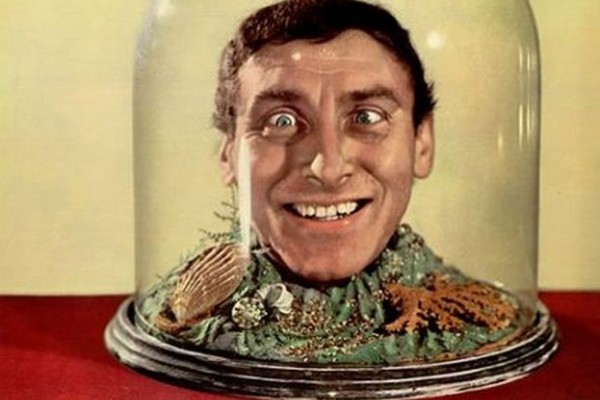
Spike-Milligan-600x400.jpg


Spike Milligan. It also comes from…


Goon.jpg
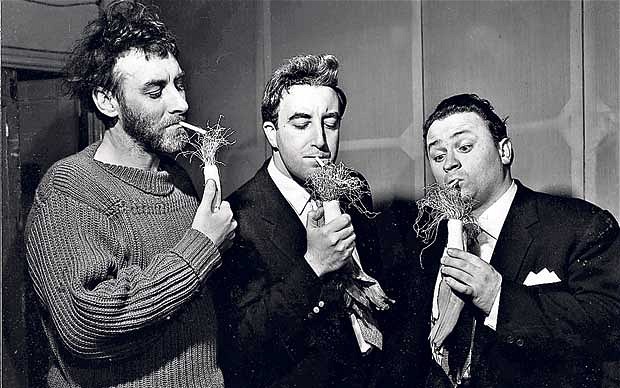
Spike Milligan, Peter Sellers and Harry Secombe


The Goon Show and Spike Jones and the City Slickers and early Monty Python.


A good place to start...


Canterburied.jpg


If Robert Wyatt is the Canterbury Scene’s prodigal son, then Daevid Allen was the court jester.


daevid-allen-54.jpeg


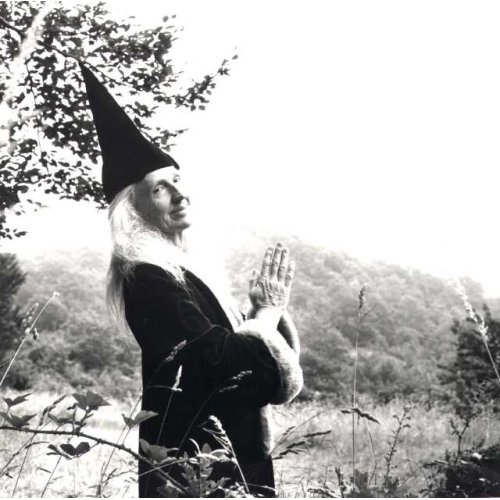
Daevid Allen or “Divided Alien” co-founded Soft Machine in 1966 and Gong in 1967.


In 1960, Daevid Allen left his birthplace of Melbourne, Australia to live in The Beat Hotel in Paris.


OrlovskyandGinsberg.JPG


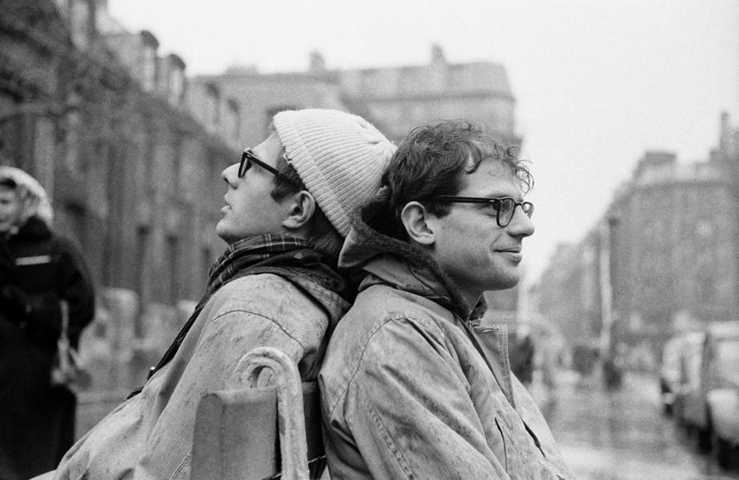
He moved into the room that had been recently occupied by Peter Orlovsky (left) and Allen Ginsberg (right).


Jean-Luc-Godard-Breathless.jpg


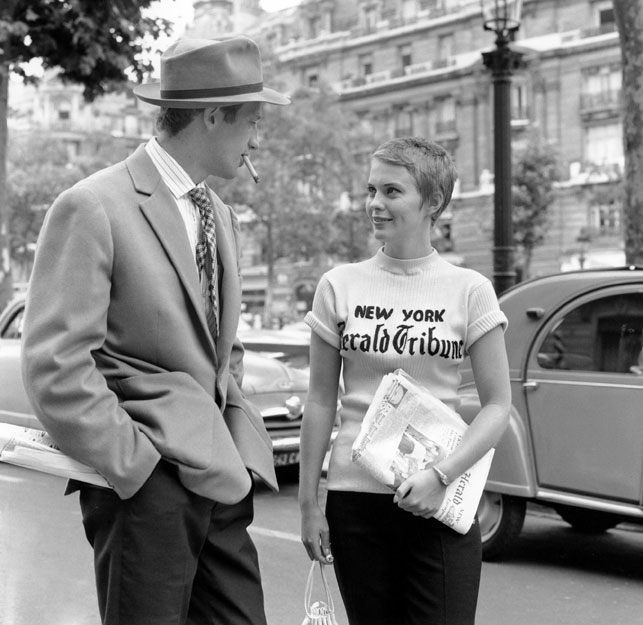
To make a living, Daevid Allen sold the “International Herald Tribune” around the Latin Quarter of Paris. The same year that saw the release of Jean-Luc Godard’s groundbreaking French New Wave film - Breathless.


Whilst making his rounds, he came into contact with experimental musician Terry Riley who helped immerse him in the Paris jazz club scene.


Sun Ra

Inspired by having met William S. Burroughs and excited by Sun Ra’s musical experimentation, Allen formed his first trio with the 16 year old son of his landlord - a young chap by the name of Robert Wyatt.


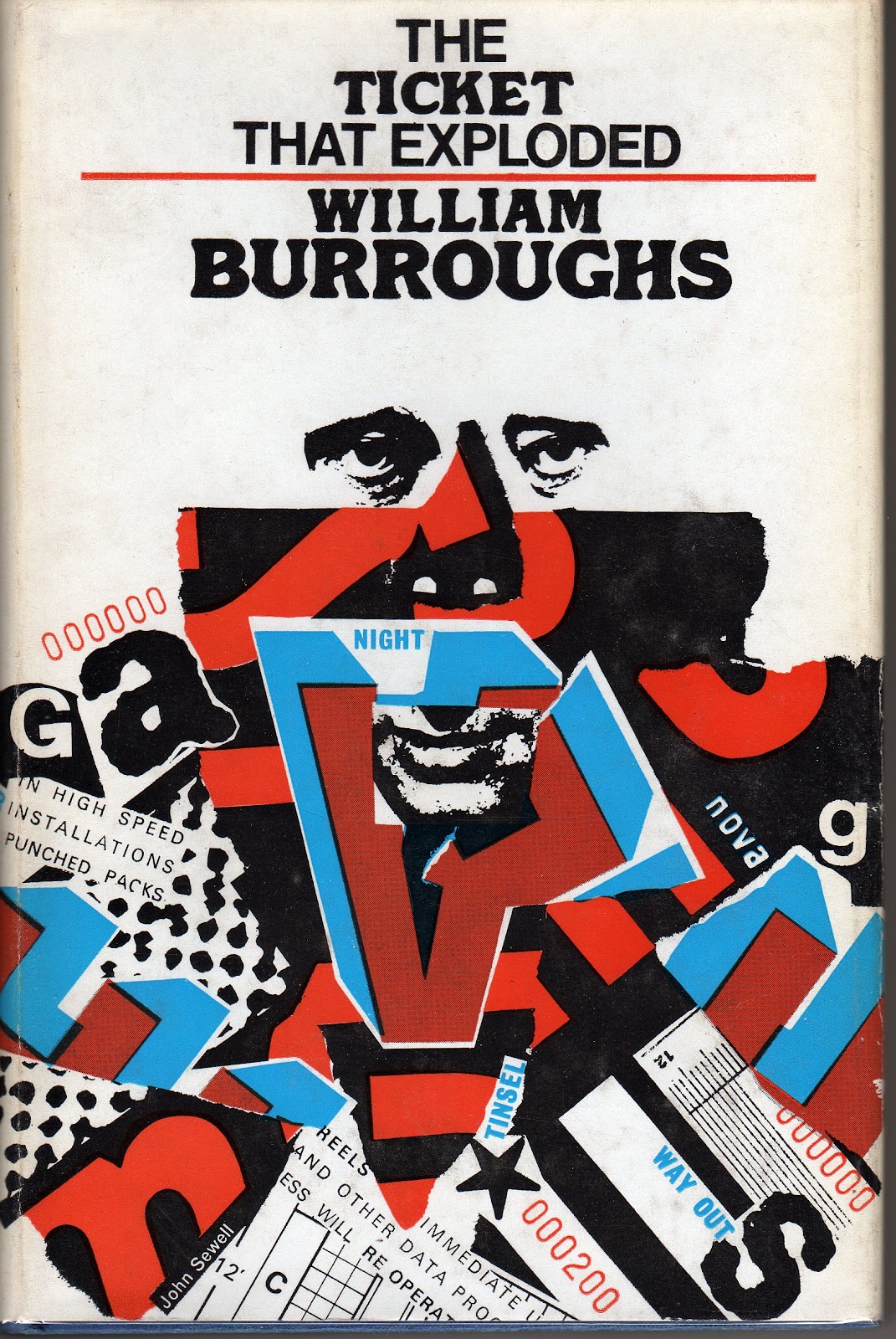
ticket_that_exploded.calder.front.jpg


They performed music for a theater version of The Ticket That Exploded.


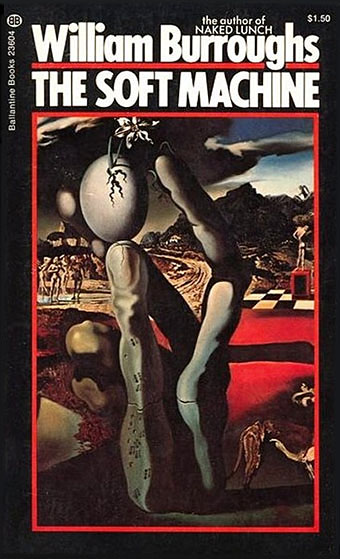
softmachine.jpg


In 1966, Daevid Allen and Robert Wyatt joined Kevin Ayers and Mike Ratledge to form Soft Machine.


After a tour of Europe, Daevid Allen was refused re-entry into the UK because his visa had expired. He went to Paris instead and participated in the 1968 Paris Protests.


For him, “participating” meant handing out teddy bears and reciting French poetry.


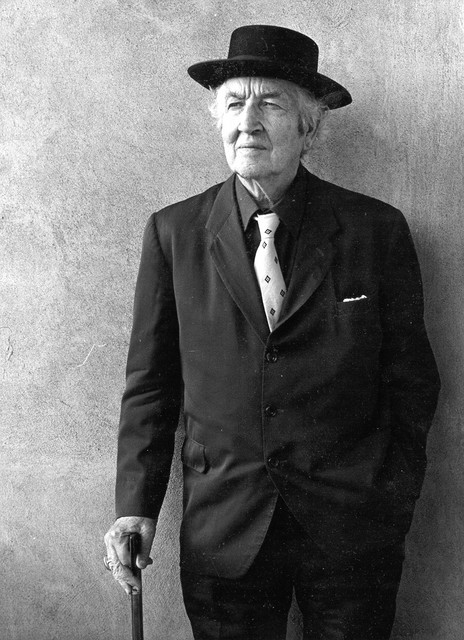
Robert Graves.jpg
Robert Graves


After Paris, Allen turned up in Deya, Majorca where he met poet Robert Graves and recorded his 1969 album Majick Brother with Didier Malherbe - a flautist he had met in a cave on Graves’ estate.


In 1970, Daevid Allen hooked up with his old mate Robert Wyatt and recorded the album Banana Moon.


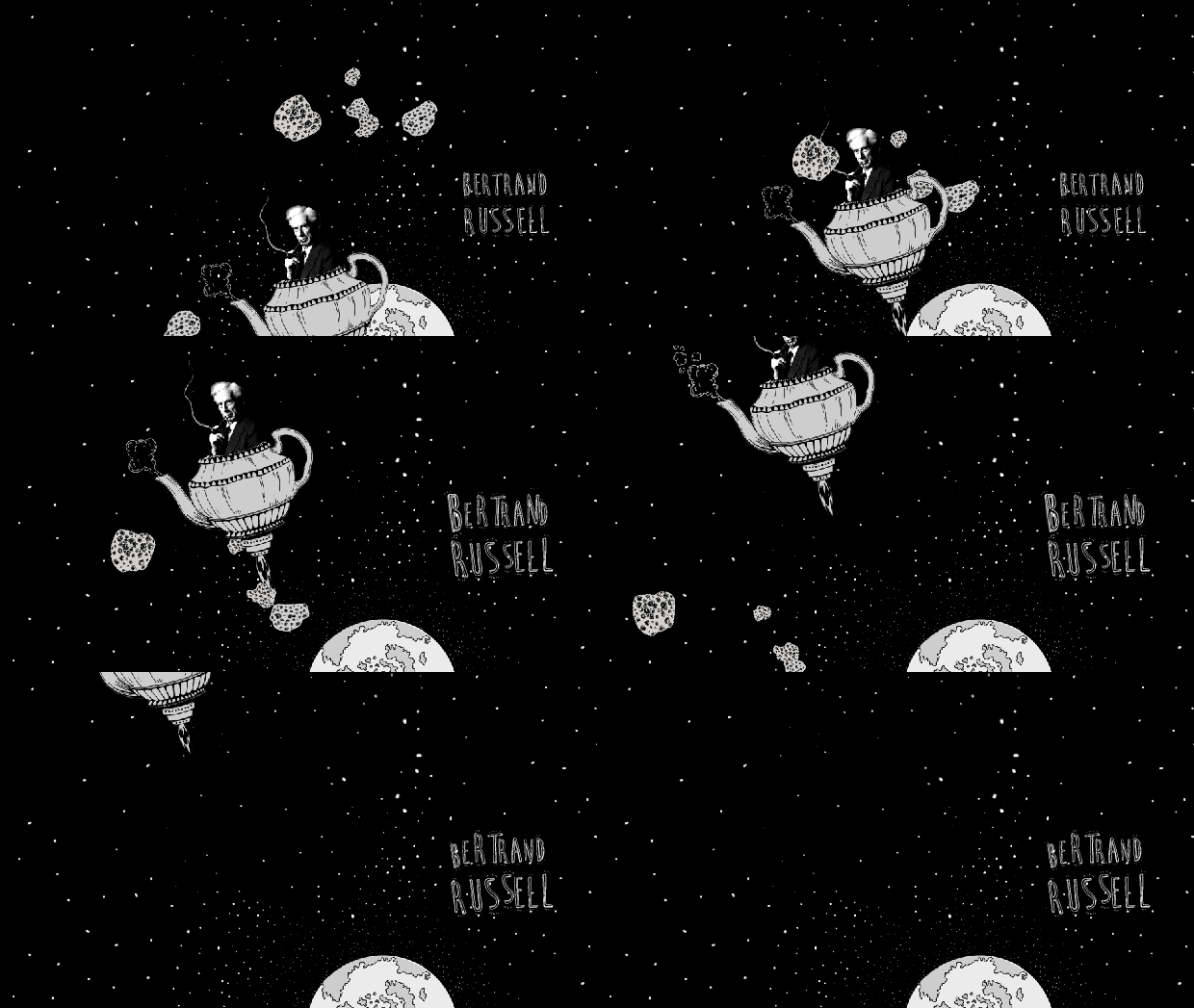
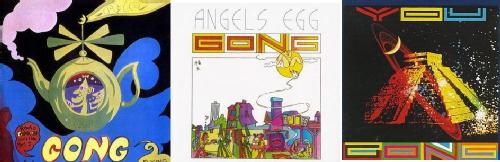
In 1971, Gong released Camembert Electrique and then between 1972 and 1974 Gong completed their Flying Teapot Trilogy (aka The Radio Gnome Trilogy) which consisted of Flying Teapot, Angel’s Egg and You. The trilogy was influenced by Bertrand Russel’s “Russel’s Teapot” theory.


At the time of the trilogy, Gong was signed with Richard Branson’s burgeoning Virgin Records which was riding high off the phenomenal success of Mike Oldfield’s Tubular Bells.

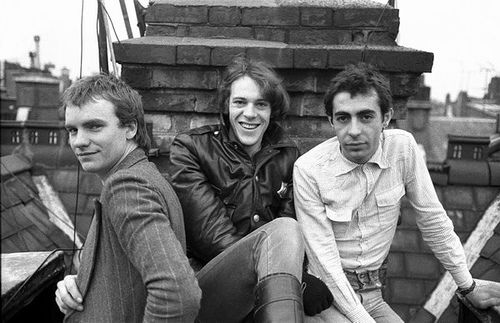
In May 1977, Gong performed a one off show in Paris which featured Sting, Stewart Copeland and former Soft Machine guitarist (and Robert Fripp collaborator) Andy Summers performing as part of Mike Howlett’s band Strontium 90.  


Strontium.jpg
Sting, Stewart Copeland, Henry Padovani (1977)


A double live album featuring a portion of the concert was released in 1977 entitled Gong est Mort, Vive Gong.


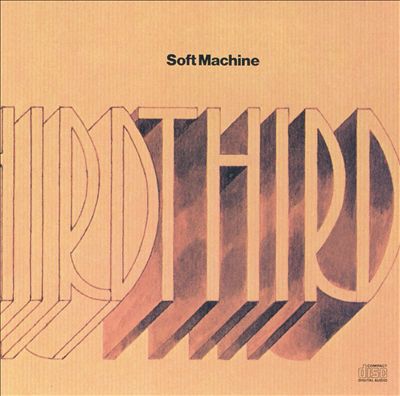
Robert Wyatt played on four Soft Machine albums called (wait for it) First, Second, Third and Fourth. All of these albums are highly influential and critically acclaimed (especially the first three) but Third is generally considered to be a masterpiece.

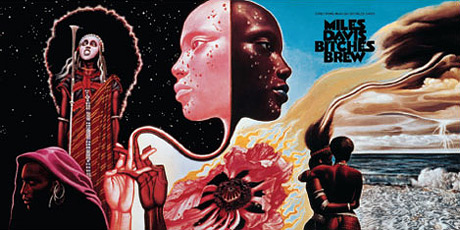
The album followed quickly on the heels of the landmark Miles Davis album Bitches Brew.


BitchesBrewGatefold.jpg


Third features four free form jazz compositions - the shortest clocking in at 18 minutes 12 seconds. The trio of Mike Ratledge (organist) Robert Wyatt (drums and vocals) and Hugh Hopper (bass) was accentuated by the addition of Elton Dean (saxophone) Lyn Dobson (saxophone and flute on Facelift) Jimmy Hastings (flute and clarinet on Slightly All The Time) Rab Spall (free jazz violin on the coda to Moon In June) and Nick Evans (trombone on Slightly All The Time and Out-Bloody-Rageous).


What can I say about the Third album that has not already been said. It is an essential album of The Canterbury Scene.


It is an essential album period.


In 1970 Robert Wyatt released his first solo album The End Of An Ear. He left Soft Machine a year later, after the recording of the Fourth album.


In October of 1971, Wyatt formed Matching Mole which is a pun on Machine Molle - a french phrase meaning “Soft Machine”.


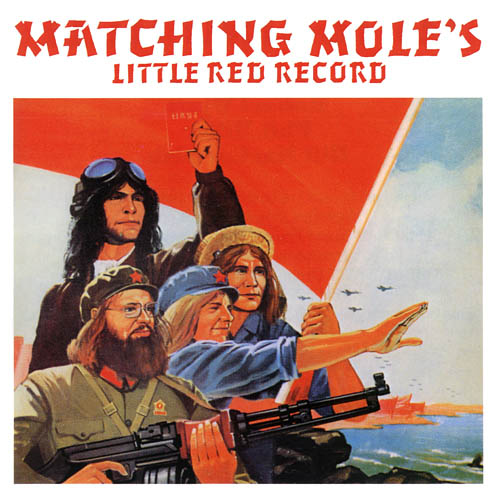
They released two albums - Matching Mole in April of 1972 and Matching Mole’s Little Red Record in November of 1972.


Red Record.jpg

The album’s aesthetic is a reflection of Wyatt’s increased political radicalism - possibly influenced by his fellow bandmate Phil Miller (guitar) who had lived in Cuba during the revolution.


Cuban-Revolution-Album.jpg


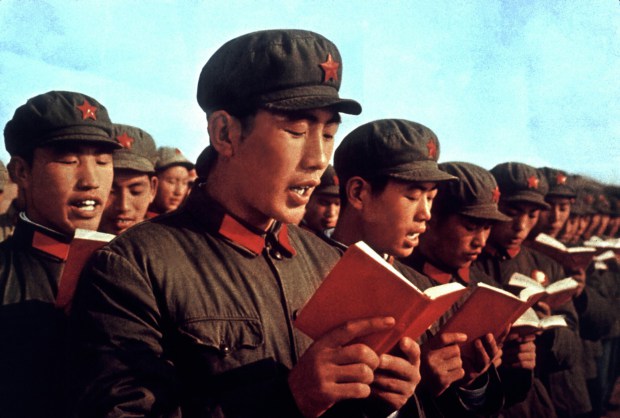
The album’s title refers to Chairman Mao’s “Little Red Book” published in 1964.


redbook.jpg


The cover art is reminiscent of propaganda posters produced during China’s Cultural Revolution.


It was produced by Robert Fripp and featured Brian Eno playing synthesizer on the track Gloria Gloom.


On June 1, 1973, an inebriated Robert Wyatt fell from a four story apartment which resulted in him being paralyzed from the waist down and confining him to a wheelchair for the rest of his life.

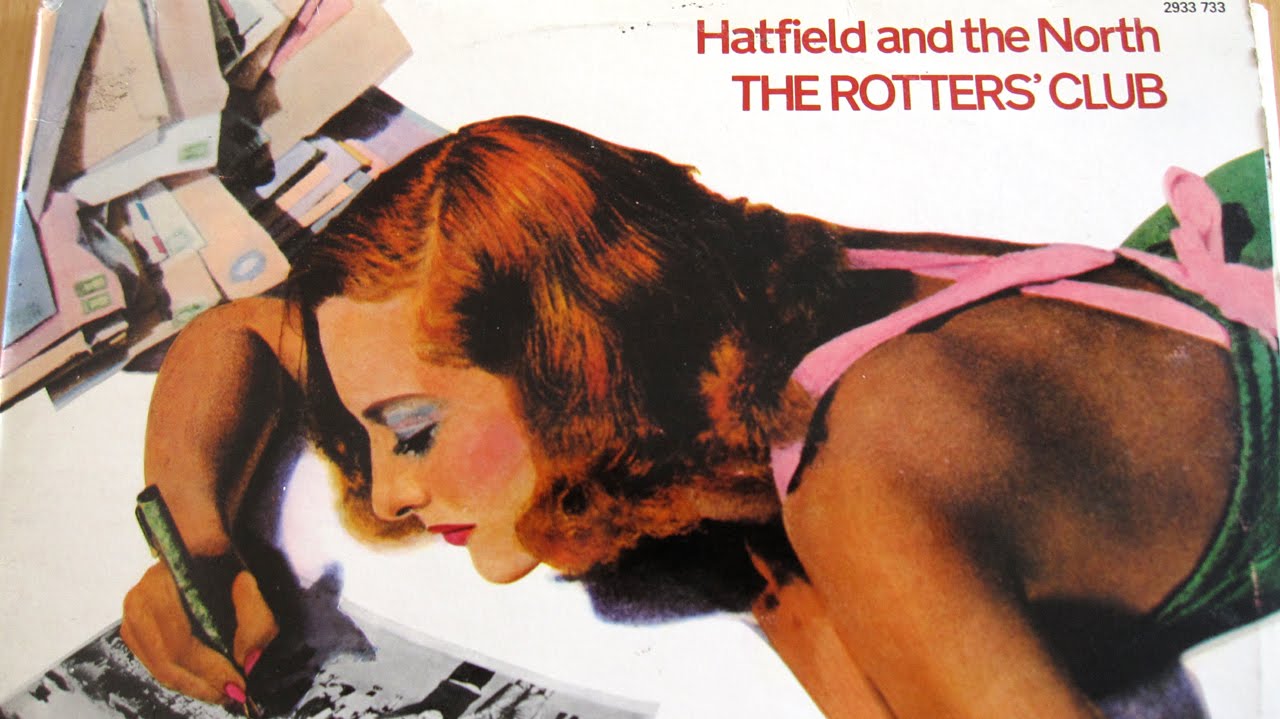
Two of his former bandmates, Dave Sinclair and Phil Miller, went on to form Hatfield and the North. They recorded two albums - the eponymous Hatfield and the North in 1974 and The Rotter’s Club in 1975.


The 2001 novel The Rotter’s Club by Jonathan Coe took it's name from the album. The novel holds the record for the longest sentence in English literature at 13,955 words.

This feat was inspired by a Czech novelist named Bohumil Hrabal who wrote a book using one sentence called...


Dave Stewart from Egg played keyboards.


Before you ask - No, not the Dave Stewart from Eurythmics.


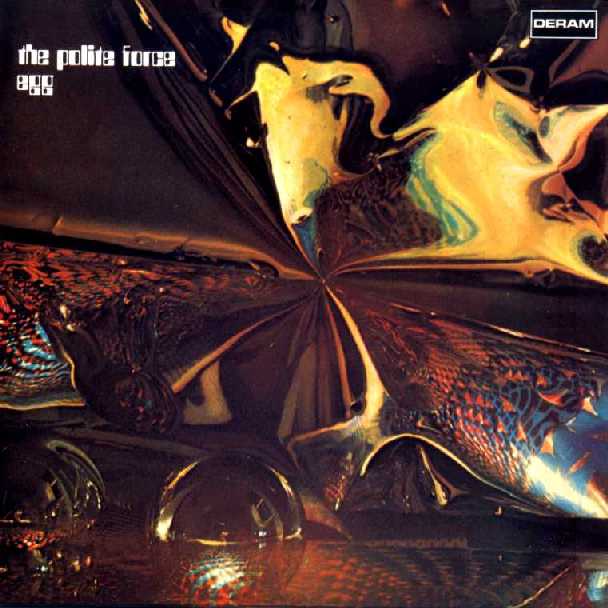
Egg’s two most notable albums - 1971’s The Polite Force and 1974’s The Civil Surface are both examples of the use of puns for titles.

The 1977 concept album Kew. Rhone. featured lyrics by Peter Blegvad who made great use of anagrams, palindromes and other verbal games. Blegvad lived in New York City in 1975 where he was a background animator for Peanuts films.


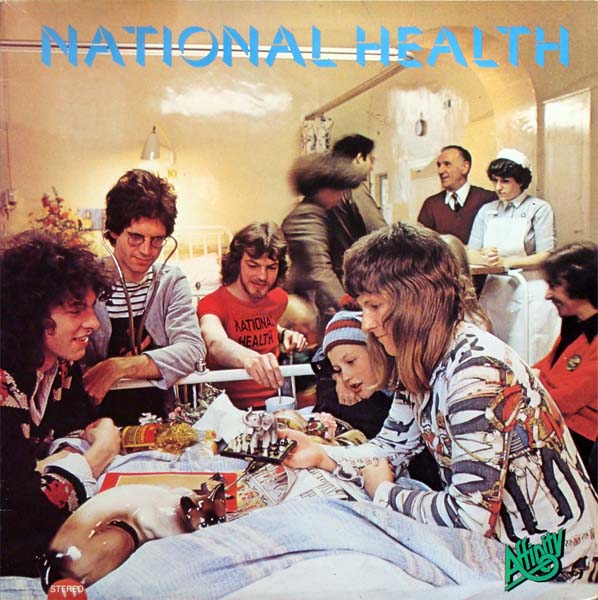
Mont Campbell, who doubled on bass guitar and vocals for Egg was also a member of National Health.


harry-potter-goblet-of-fire-parents.gif


He later contributed music to the Harry Potter & The Goblet of Fire soundtrack.


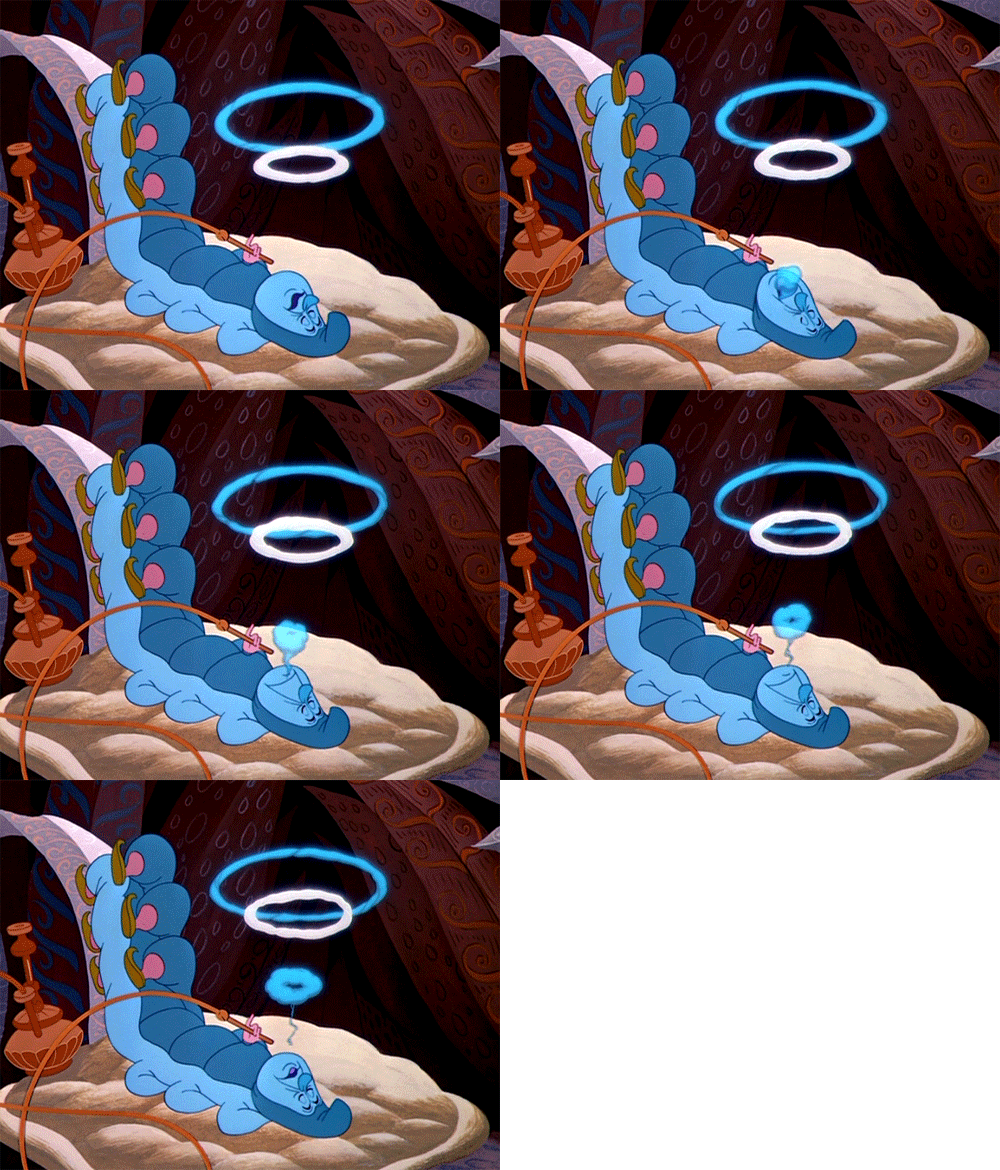
Another key part of the Canterbury Scene is the influence of the psychedelic counterculture i.e. psychotropic drugs, eastern religions and music - for example the droning elements of Indian ragas.


Caterpiller.gif


So…. let’s make a Canterbury Cake, shall we? Here is a list of the ingredients.


1.  Church organ sound used as a lead instrument and accentuated by fuzz distortion and Wah-wah.


2. The improvisational quality of Free Jazz as embodied by the way out there musicians like Sun Ra.


3. A healthy dose of British humour - Spike Milligan, The Goon Show, Monty Python and Spike Jones.


4. A nod to the whimsical literary tradition of Edward Lear and Lewis Carroll.


5. The expert musicianship of Progressive Rock.


6. A healthy dose of psychedelia.


pschedelic.gif


Mix it all up and bake for an hour at 360 degrees and I think you might have it.


The Essential Albums


Land of grey.JPG
Caravan - In The Land Of Grey and Pink
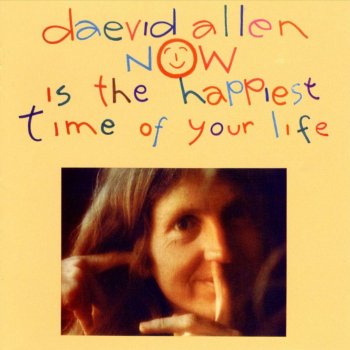
Now is the happiest.jpg
Daevid Allen - Now Is The Happiest Time Of Your Life
egg2.jpg
Egg - The Polite Force
Gong Trilogy.jpg
Gong - The Radio Gnome Trilogy
Rotters.jpg
Hatfield and the North - The Rotter's Club
Red Record.jpg
Matching Mole's Little Red Record
National Health.jpeg
National Health
Third.jpg
Soft Machine - Third
Kevin Ayers - Joy Of A Toy
Robert Wyatt - Rock Bottom
John Greaves & Peter Blegvad - Kew. Rhone.


The cover of Kew. Rhone. is an 1806 painting by Charles Wilson Peale called Exhuming The First American Mastodon.

Peter Blegvad was also a member of Slapp Happy along with Dagmar Krause and Anthony Moore. In 1974, the band moved to England where they briefly merged with Henry Cow.


Be sure to check out the comprehensive documentary Romantic Warriors III: Canterbury Tales to learn more.


I’ll close with Gong performing “I Never Glid Before”.